
Individualised Living Options (ILO)
Living Arrangements Built Around the Person
Individualised Living Options, often called ILO, are about helping a participant explore and build a living arrangement that suits who they are, how they want to live and what kind of support helps them feel safe, confident and independent.
Dantae Support Services supports participants, families and stakeholders to think carefully about home, daily routines, relationships, natural supports, paid supports and long-term sustainability. ILO should never feel like someone is being placed into a model; it should feel like the living arrangement is being designed around the person.
What Is Individualised Living Options?

Individualised Living Options are NDIS-funded supports that help a participant make choices about where they live, who they live with and how they are supported. ILO may include a mix of paid support, support from family and friends, community connection and other informal support networks.
ILO is not the house itself. It does not pay rent, mortgage repayments, groceries, utilities or everyday living costs. It is also not the same as Supported Independent Living, Specialist Disability Accommodation or Short Term Accommodation.
An ILO arrangement may include living alone with planned supports, living with housemates, living with a host, or another personalised arrangement that reflects the participant’s goals, preferences, safety needs and support network.
Why Individualised Living Options Matter
ILO matters because not every person wants, needs or benefits from a standard group-home model.
A participant may want to live with a trusted housemate, near family, with a host, in a quieter home, or in a living arrangement that gives them more say over their routines and relationships. A well-designed ILO can support independence, connection, dignity, safety and a stronger sense of ownership over everyday life.
ILO also matters because home is not just a support setting. It is where people rest, build routines, make choices, experience privacy, develop relationships and feel a sense of belonging.
What Individualised Living Options Can Include
Individualised Living Options can include a mix of supports that are planned around the participant’s needs, goals and living arrangement.
ILO can include support to:
-
explore where and how the participant wants to live
-
understand strengths, preferences, routines and support needs
-
consider housemate, host or living-alone arrangements
-
design primary and supplementary supports
-
assess and manage risks
-
build daily living skills
-
set up and manage home routines
-
support personal care where funded and appropriate
-
support cooking, cleaning, laundry and household tasks
-
involve family, friends, neighbours or community supports where appropriate
-
monitor the arrangement and make changes when needed
ILO should be flexible, but it still needs to be clear, documented and connected to the participant’s NDIS goals and disability-related support needs.
What People Often Misunderstand About Individualised Living Options
One of the biggest misunderstandings about ILO is that it is a type of accommodation. It is not. ILO is a support package that helps create and maintain a personalised living arrangement, but it does not fund rent, mortgage payments, groceries, utilities or everyday household costs.
Another misunderstanding is that ILO is just a cheaper version of SIL. ILO and SIL are different home and living supports. SIL is generally a rostered support model for people who need regular support from workers at home, while ILO is designed around a more individualised arrangement that may include paid, informal and community-based supports. The NDIS home and living guide lists ILO and SIL as separate home and living options.
People also sometimes assume ILO means the participant must live alone. That is not true. ILO can involve living alone, living with housemates, living with a host, or another arrangement that suits the person.
The final misunderstanding is that ILO can be arranged quickly without much planning. In reality, the best ILO arrangements usually need careful exploration, service proposal development, risk planning, role clarity and ongoing monitoring.
How Individualised Living Options Should Feel
ILO should feel like the participant has a real voice in how their home life is designed.
It should feel flexible, personal and respectful, while still being safe, well-planned and accountable. The participant should understand what support is available, who provides it, what happens if something changes and how they can raise concerns.
For families and stakeholders, ILO should feel thoughtful and transparent. There should be clear planning around daily routines, informal supports, paid supports, risk management, privacy, relationships, household responsibilities and what happens if the arrangement needs to be adjusted.
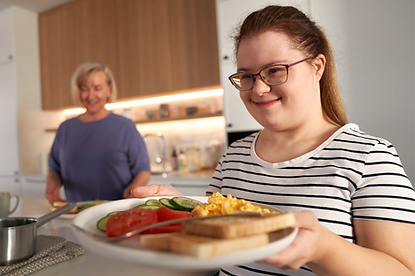
How Dantae Support Services Supports ILO
Dantae Support Services supports ILO with a focus on dignity, choice, safety, independence and practical daily life.
Exploration and planning
We help participants and stakeholders talk through what a good living arrangement could look like, including who the participant may want to live with, what routines matter, what support is needed and what risks need to be planned for.
Person-centred routines
ILO should support the participant’s everyday life, not force the person into someone else’s routine. We look at meals, personal care, sleep routines, household tasks, social connection, downtime and preferred ways of communicating.
Natural and paid supports working together
A strong ILO arrangement may include paid workers, family, friends, neighbours, community supports or a host arrangement. Dantae Support Services supports clear role boundaries so everyone understands what they are responsible for.
Skill-building and independence
We support participants to build confidence with daily living tasks where appropriate, including cooking, cleaning, laundry, personal organisation, communication and home routines.
Risk awareness and safeguarding
Good ILO planning should consider safety, emergency response, communication needs, privacy, dignity of risk, relationship risks, worker consistency and what happens if the arrangement changes.
Ongoing review and adjustment
An ILO arrangement should not be set and forgotten. As the participant’s needs, goals, relationships or living situation change, the supports may also need to be reviewed and adjusted.
Real-Life Examples
A participant wanted more independence but did not feel ready for a busy shared living environment. Their family wanted reassurance that the participant would still have support with routines, meals and daily living skills.
Dantae Support Services supported conversations about what independence could look like in a realistic way. The focus shifted from “moving out” to designing a living arrangement that respected the participant’s pace, support needs, relationships and confidence.
Designing a Home Life Around Choice
Making a Housemate Arrangement Work
A participant was interested in living with a housemate but needed support to understand what shared living would involve. They were excited about companionship but unsure about privacy, routines, visitors, cleaning, meals and how to raise concerns.
Dantae Support Services helped break the arrangement into practical everyday parts. This included talking through quiet time, shared spaces, support roles, house expectations and what would help both people feel respected in the home.

A participant had strong family and community connections and wanted those relationships to remain part of their living arrangement. The goal was not to replace informal support with paid support, but to build a safer and more sustainable mix.
Dantae Support Services supported planning around who could help, what paid supports were needed, where boundaries should sit and how the participant’s voice would stay central. This helped the arrangement feel more natural, while still being clearer and safer.
Keeping Informal Supports Connected
Keeping Your Home Manageable
Having choice about where and how you live also means being able to access the practical support you need to maintain your home environment.
Where disability makes lawn, garden or appropriate minor household-maintenance tasks difficult or unsafe, Dantae Support Services may be able to provide separate Yard & Household Maintenance Support alongside other suitable supports.
The participant remains involved in deciding what help is needed and how that support is provided.
Is Individualised Living Options Right for You?
Individualised Living Options may be suitable if the participant wants a more personalised home and living arrangement and needs support to explore where they live, who they live with, how they are supported and how paid, informal and community supports can work together.
It may be time to enquire if the participant, family or support coordinator needs help thinking through living arrangements, housemate or host options, daily routines, risk planning, service proposal preparation or practical supports that help the person live with more choice, safety and independence.
Frequently Asked Questions About Individualised Living Options
01
What is Individualised Living Options?
Individualised Living Options is an NDIS home and living support that helps a participant explore, design and maintain a living arrangement that suits their needs, goals, preferences and support network.
02
Is ILO the same as SIL?
No. ILO and SIL are different supports. SIL is usually a rostered support model in the home, while ILO is designed around an individual living arrangement that may include paid, informal and community supports.
03
Does ILO pay for rent or groceries?
No. The NDIS says ILO does not fund rent, mortgage repayments, food, power bills, everyday living costs, home modifications or the place where the participant lives.
04
What are Stage 1 and Stage 2 in ILO?
Stage 1 is exploration and design, where the participant works out where and how they want to live and what supports may be needed. Stage 2 is where approved ILO supports are put in place after the service proposal is approved.
05
Can Dantae Support Services help with ILO planning?
Yes. Dantae Support Services can support conversations around routines, daily living needs, support design, informal supports, risk planning and practical home-life arrangements connected to the participant’s goals and NDIS plan.